Athletic Data Fusion Powers Reel Mechanics and Table Strategies in Mobile Wagering Environments
Written by Blake Schmitz · Aug 24, 2026
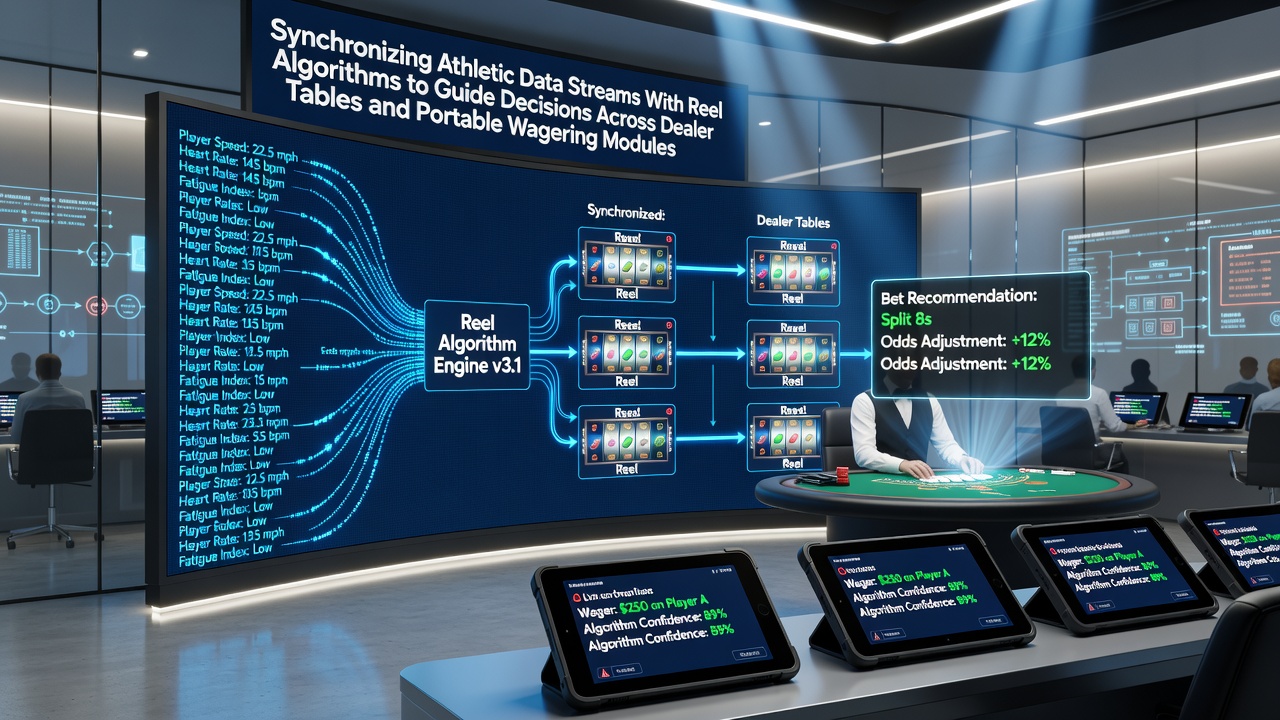
Athletic Data Fusion Powers Reel Mechanics and Table Strategies in Mobile Wagering Environments
Systems that align live athletic performance metrics with slot reel generation tools now shape choices at live dealer stations and on handheld betting devices across multiple markets. These integrations pull real-time player statistics, team momentum indicators, and environmental factors into algorithms that control reel outcomes and prompt dealer table recommendations. Observers note that the process relies on low-latency data pipelines capable of updating every few seconds during major sporting events.
Core Components of Stream Alignment
Reel algorithms incorporate variables such as athlete fatigue readings, possession percentages, and scoring streaks to adjust symbol weighting and bonus trigger frequencies. At dealer tables the same feeds inform side-bet suggestions and pace adjustments that match the rhythm of an ongoing match. Portable modules receive condensed versions of these signals so users see contextual prompts without leaving the primary wagering screen.
Research from the International Gaming Institute at the University of Nevada indicates that synchronized feeds reduce decision latency by measurable margins when operators test hybrid sports-casino products. Data packets travel through standardized APIs that map athletic events to reel states and table prompts simultaneously. Technicians maintain separate checksum layers to ensure reel integrity remains independent of external inputs.
Implementation Across Platforms
Land-based venues began testing these synchronized modules in controlled environments during early 2025, with wider deployment reported in August 2026 when several European operators expanded the feature set to include basketball and soccer leagues. The August 2026 rollout included updated compliance checks required by the Nevada Gaming Control Board for any system that blends external data with game outcomes.
Portable wagering applications handle the same streams through edge computing nodes that cache recent athletic events locally. This approach keeps prompts responsive even when network conditions fluctuate. Casino management teams receive aggregated dashboards showing which data points most frequently alter reel behavior or table suggestions during peak hours.

Regulatory and Technical Considerations
Regulators in multiple jurisdictions require clear separation between the athletic data layer and the certified random number generator that ultimately determines reel stops. Documentation submitted to oversight bodies must demonstrate that no single external event can override the certified sequence. Industry groups such as the European Gaming and Betting Association have published technical guidelines outlining audit procedures for these hybrid systems.
Engineers address latency through prioritized data channels that assign higher bandwidth to critical metrics like goal-line crossings or serve speeds. Redundant failover servers activate within milliseconds if primary feeds drop. Case studies presented at the 2026 Gaming Analytics Summit described successful handoffs during live tennis matches where reel symbols shifted mid-point without interrupting play.
Player Interface Patterns
Users encounter contextual overlays that display relevant athletic statistics alongside reel grids or dealer hand totals. These overlays update dynamically but do not alter the underlying game mathematics. Operators log every instance where a data-driven prompt appears so compliance teams can verify that information remains advisory rather than deterministic.
Training programs for dealers now include modules on interpreting synchronized feeds to maintain consistent table tempo during high-interest sporting moments. Technical support staff monitor stream quality metrics in real time and can pause data integration if integrity thresholds are breached.
Future Development Pathways
Academic papers from institutions including the University of Sydney’s Gambling Research Unit examine how continued refinement of these data pipelines might affect session duration and cross-product engagement. Early findings point to measurable increases in simultaneous sports and casino activity when alignment quality exceeds current benchmarks.
Hardware upgrades scheduled for late 2026 focus on higher-resolution sensor inputs from venues, which in turn feed more granular variables into reel weighting models. Portable devices will gain additional processing capacity to render these variables without draining battery reserves during extended use.
Conclusion
Integration of athletic data streams with reel algorithms and dealer table guidance continues to evolve through coordinated technical standards and regulatory oversight. Systems tested in August 2026 demonstrate stable performance across dealer environments and mobile modules when separation protocols and latency controls remain in place. Ongoing documentation from operators and external reviewers supports further measured expansion of these synchronized features.