Cross-Platform Loyalty Networks: Connecting Rewards Across Sports Wagers, Live Dealer Play, and Prize Pools
Written by Jordan Schulz · Aug 3, 2026
Cross-Platform Loyalty Networks: Connecting Rewards Across Sports Wagers, Live Dealer Play, and Prize Pools
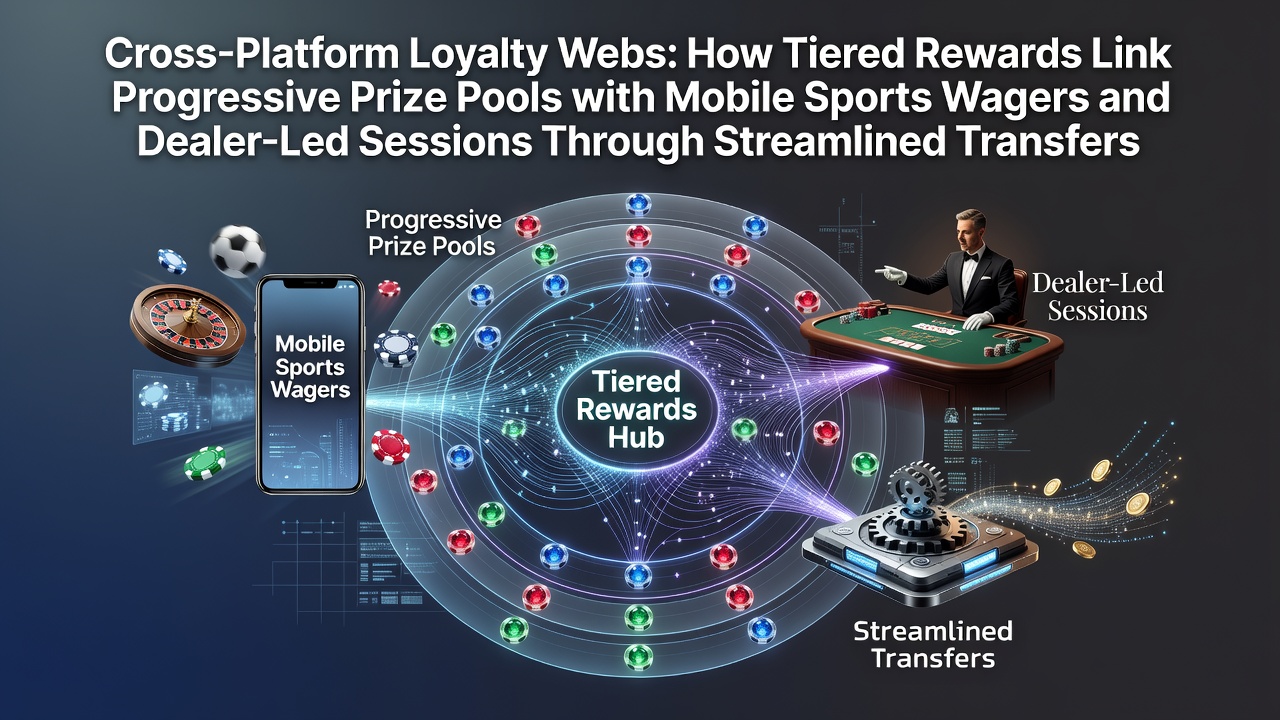
Cross-platform loyalty networks operate by tying player activity in mobile sports wagering, dealer-led sessions, and progressive prize pools into single tiered structures that adjust reward levels based on cumulative engagement. These systems track wagers placed through apps, table participation in live formats, and contributions to shared jackpot pools, then convert that activity into transferable points or credits that move between categories without separate logins or manual conversions.
Mechanics of Tiered Reward Integration
Operators assign tiers according to total handle across categories, so a player who places sports bets on mobile devices reaches a mid-level status that immediately unlocks enhanced multipliers for live dealer games and accelerated contributions to progressive pools. Data from platform logs shows that once a user hits a certain volume threshold, the system automatically applies the corresponding benefits to all linked activities, creating a unified progression path rather than isolated programs for each product type.
Progressive prize pools receive direct funding from a percentage of wagers made in both sports and table environments, while tier status determines the rate at which players qualify for larger slices of those pools. Observers note that streamlined transfers allow accumulated loyalty points earned on one interface to convert instantly into entry credits or boosted odds on another, reducing friction that previously required players to manage separate accounts for each vertical.
Mobile Sports Wagers Within the Network
Mobile sports wagering feeds into the loyalty structure through real-time tracking of bets on leagues and events, where each stake adds to the player's overall tier meter and simultaneously allocates a portion to the progressive pool. When a user completes a wager on a mobile app, the system registers the activity and updates the shared reward balance, allowing that same balance to influence outcomes in dealer-led sessions without additional steps. By August 2026, several major platforms reported that mobile sports activity accounted for the largest share of cross-category point generation in their loyalty databases.
Dealer-Led Sessions and Point Transfers
Live dealer sessions connect to the same framework by logging table time and bet sizes, which then feed directly into the tier calculation and progressive contributions. Streamlined transfers enable a player who earns points during a sports session to apply those points immediately to a live dealer table, often in the form of instant buy-ins or enhanced payouts. Researchers at industry conferences have documented that such linkages increase session duration across products because users see their activity in one area benefiting participation in others without delay or extra verification.
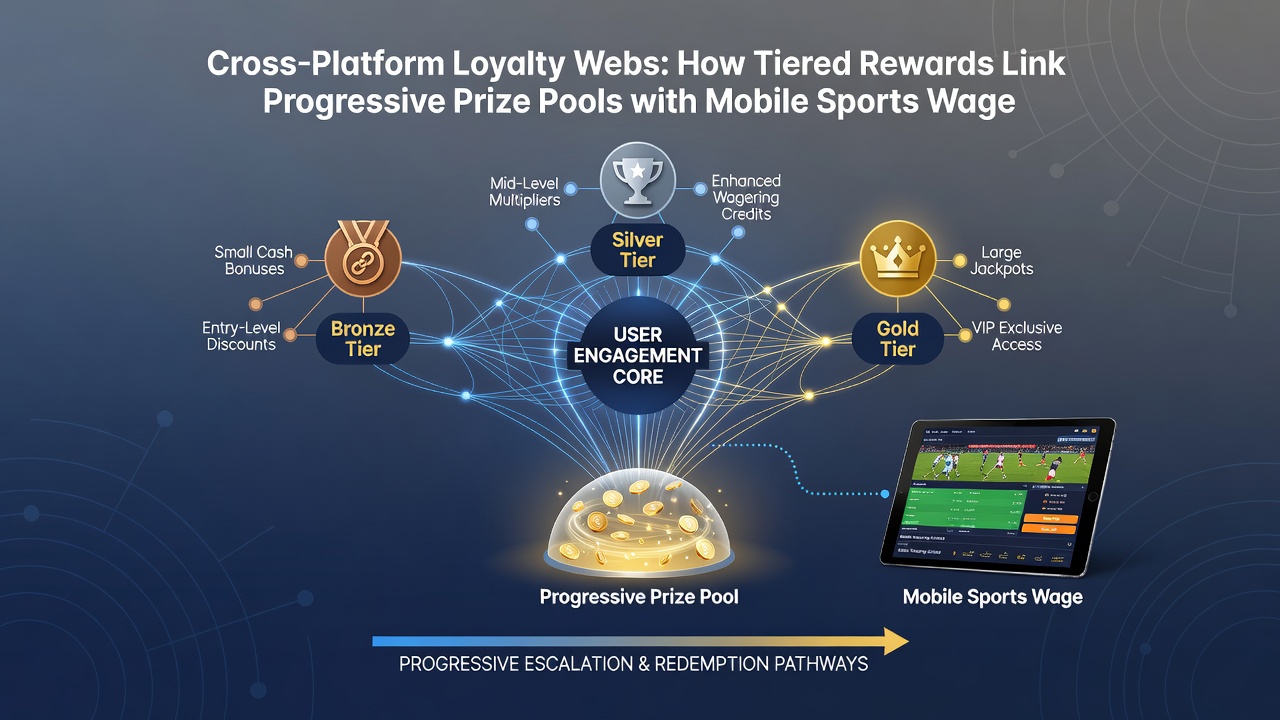
Transfer protocols rely on standardized APIs that move credits between verticals in seconds, maintaining consistent tier status regardless of the entry point. Players who begin with sports wagers on mobile devices can shift to dealer tables and retain the same reward multipliers, while any jackpot contributions made during either activity remain visible in a single pool dashboard. This setup eliminates the need for manual redemption codes or separate loyalty cards that once fragmented participation.
Progressive Prize Pools and Cross-Activity Funding
Progressive prize pools draw funding from wagers placed across mobile sports and dealer sessions, with tier level determining eligibility for higher payout brackets. According to reports from the American Gaming Association, integrated systems have expanded pool sizes by channeling activity from multiple sources into single accumulators. The result appears in larger jackpot totals that attract users who might otherwise focus on only one product type.
Transfers between categories occur through automated ledgers that update tier standing and pool contributions simultaneously, so a sports wager on a mobile device can push a player into a new tier that immediately affects live dealer payouts and jackpot odds. Industry analyses indicate that these connections reduce player drop-off between verticals because the same activity advances multiple reward streams at once.
Implementation Patterns Observed in 2026
Platforms that adopted unified loyalty webs in early 2026 demonstrated measurable increases in cross-vertical play, with users moving between sports apps and dealer interfaces more frequently once transfers became instantaneous. Regulatory filings in various jurisdictions show that these networks require clear audit trails for transfers to ensure compliance with responsible play limits that apply across all linked activities. Data compiled by the Australian Gambling Research Centre highlights how tiered structures that span products help operators monitor overall engagement without maintaining disconnected databases.
Conclusion
Cross-platform loyalty networks function through tier calculations that incorporate mobile sports wagers, dealer-led sessions, and progressive prize pool contributions into one progression system supported by automated transfers. These connections allow activity in any single category to influence rewards and eligibility across the others, producing unified player profiles and shared funding mechanisms for jackpots. Continued expansion of such frameworks depends on consistent data standards and regulatory oversight that treat transfers as part of a single operational record rather than separate transactions.