Data Fusion Points: Merging Athletic Stats, Jackpot Triggers, and Player Alerts
Written by Blake Schmitz · Aug 21, 2026
Data Fusion Points: Merging Athletic Stats, Jackpot Triggers, and Player Alerts
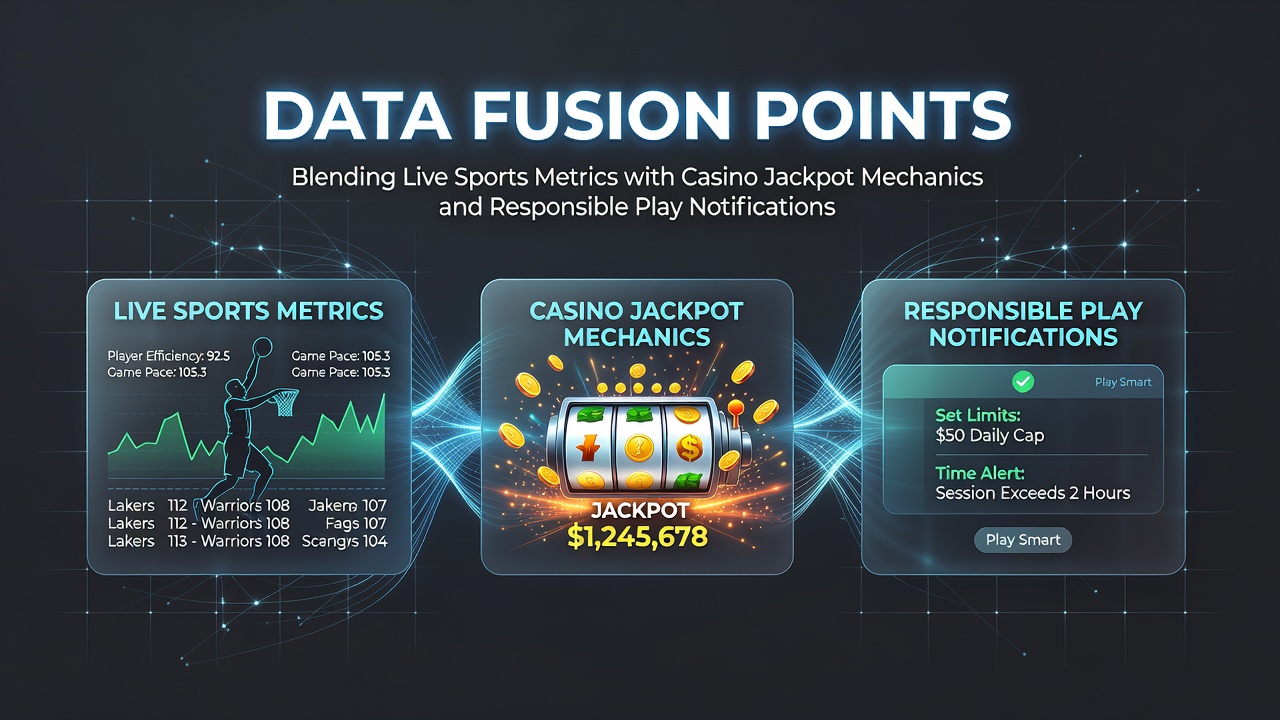
Operators across multiple jurisdictions now combine live sports performance indicators with casino jackpot algorithms and automated responsible play messages, creating unified data fusion points that adjust outcomes and alerts in real time. These systems pull player activity, game statistics, and behavioral signals into single processing layers, allowing jackpot contribution rates to shift according to external events while safety prompts activate based on the same fused datasets.
Core Components of the Integration Process
Live sports metrics enter the framework through application programming interfaces that deliver continuous feeds on team performance, individual player output, and match momentum. Casino platforms route these inputs alongside internal jackpot pools and session data, so that a surge in scoring during a major event can increase the frequency of jackpot triggers without altering base game mathematics. Researchers at the University of Nevada, Las Vegas documented similar data layering techniques in industry reports released in early 2025, noting that fusion points reduce latency between external signals and internal reward mechanics to under three seconds on average.
Jackpot mechanics respond to these inputs by recalibrating contribution percentages or mystery trigger thresholds. When a live sports feed indicates high engagement periods, such as overtime in basketball or extra innings in baseball, the system may allocate a larger share of each wager to the progressive pool while maintaining regulatory return-to-player percentages. Figures from Gaming Laboratories International show that certified platforms using these methods maintained compliance across tested RNG modules throughout 2025 trials.
Responsible Play Notifications Within the Same Pipeline
The same fusion architecture delivers personalized alerts when session length, wager velocity, or cross-product activity reaches predefined thresholds. Because sports metrics and casino data share one processing stream, operators can time messages to coincide with natural breaks in play, such as halftime intervals or between-round pauses in live dealer sessions. Data from the National Council on Problem Gambling indicates that context-aware notifications achieve higher engagement rates than generic pop-ups, particularly when they reference recent activity patterns rather than static limits.
By August 2026, multiple European and North American platforms had expanded these capabilities to include predictive elements, where fused datasets forecast potential risk indicators up to thirty minutes ahead. The approach avoids direct intervention yet supplies users with clear options to set temporary pauses or review account history before resuming activity.
Technical Architecture and Data Flow
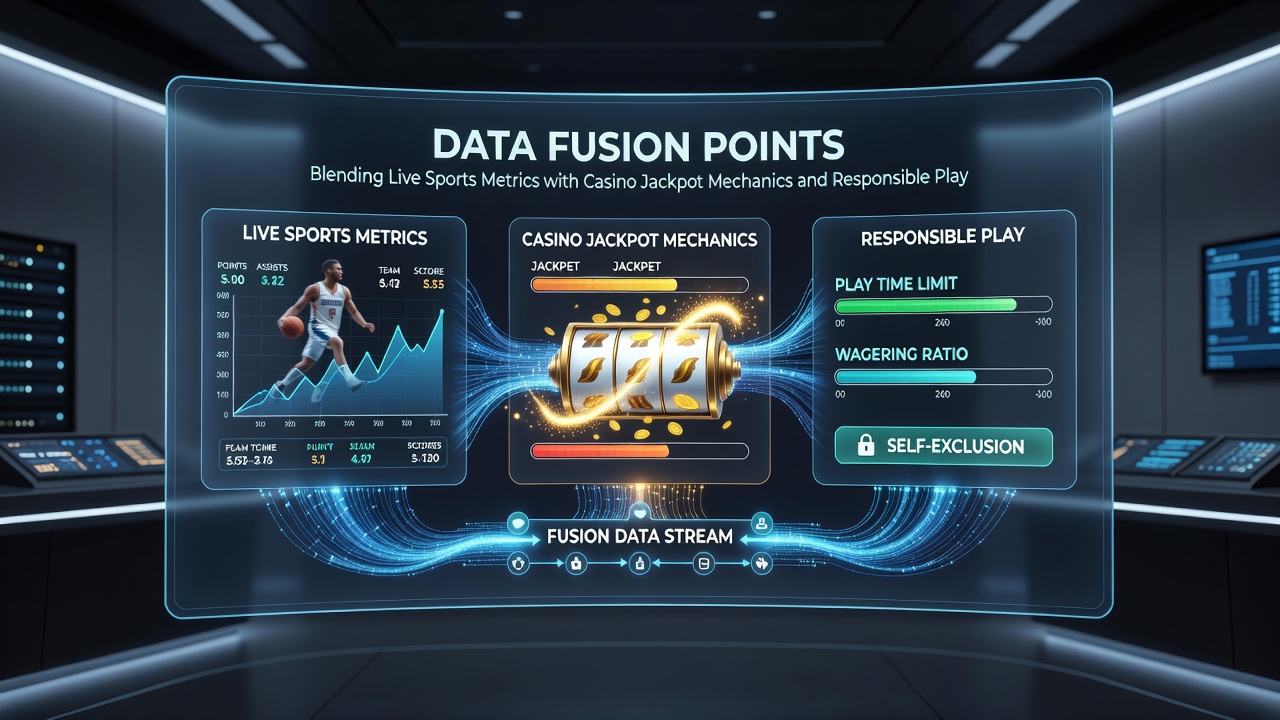
Centralized middleware servers receive encrypted streams from sports data providers and casino management systems simultaneously. Each fusion point normalizes incoming values into standardized scoring models that feed both jackpot controllers and notification engines. Security protocols isolate personal identifiers while permitting aggregate pattern analysis, satisfying requirements set by bodies such as the Alcohol and Gaming Commission of Ontario and the Nevada Gaming Control Board.
One documented implementation routes match statistics through a rules engine that weights variables like lead changes or goal differentials, then passes adjusted scores to the jackpot server. The same engine evaluates player-specific metrics, including time spent on slots versus sports betting, before generating tailored messages. Observers note that this parallel processing reduces the need for separate monitoring tools and keeps all outputs synchronized.
Regulatory Considerations Across Regions
Jurisdictions require operators to demonstrate that fused data does not compromise game fairness or player choice. Testing laboratories examine both the sports data inputs and the resulting jackpot adjustments to confirm that mathematical integrity remains intact. Reports from the Australian Communications and Media Authority highlight similar oversight frameworks, where annual audits verify that responsible play functions activate independently of commercial incentives.
Operators must retain audit logs that trace every decision back to its originating data source. This traceability allows regulators to review how a particular sports event influenced a jackpot payout or triggered a safety notification, supporting transparent oversight without restricting real-time functionality.
Conclusion
Data fusion points continue to evolve as platforms refine the balance between external event integration, jackpot responsiveness, and player protection mechanisms. Current implementations rely on standardized data protocols and third-party certification to maintain consistency across markets. As August 2026 approaches, further refinements in predictive modeling and cross-jurisdictional reporting standards are expected to shape the next generation of these systems.