Fast Payouts Reshaping Reward Structures in Mobile Gaming and Sports Wagering
Written by Jordan Schulz · Aug 24, 2026
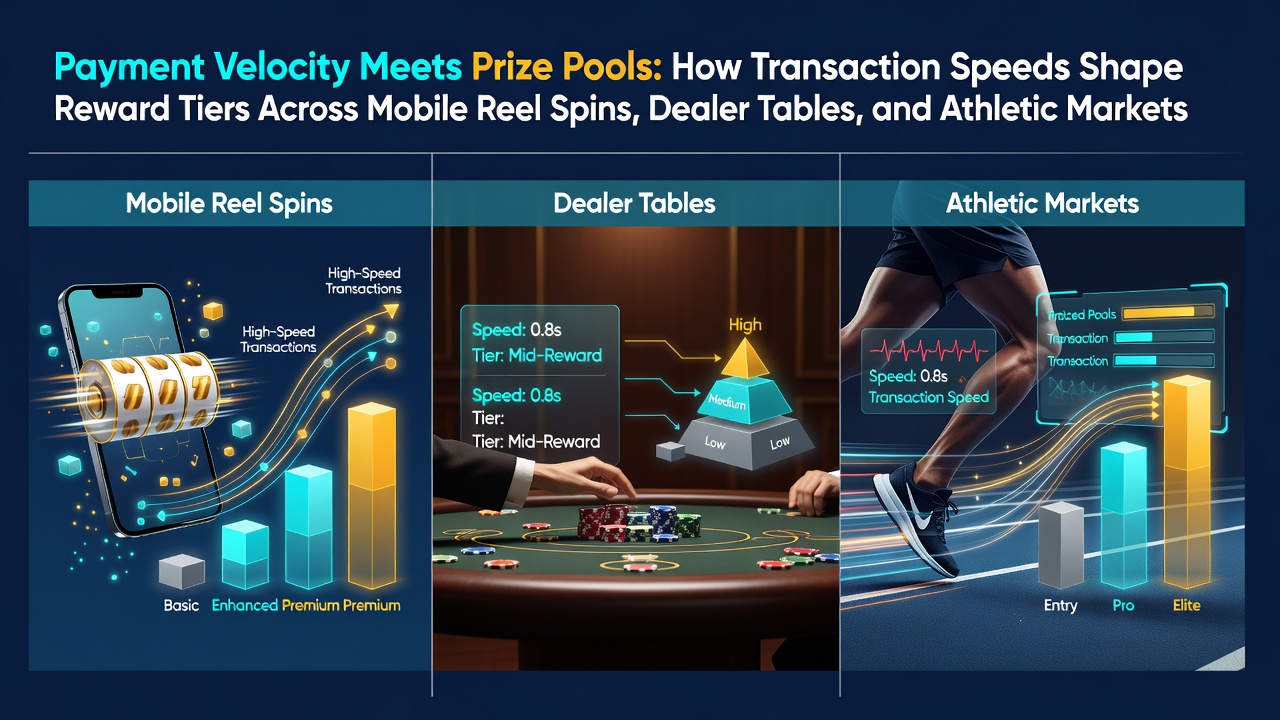
Fast Payouts Reshaping Reward Structures in Mobile Gaming and Sports Wagering
Transaction Velocity in Digital Platforms
Data from multiple regulatory bodies shows that payment processing times directly affect how prize pools distribute across user tiers in mobile slot environments, live dealer sessions, and sports wagering markets, while operators adjust reward structures based on deposit and withdrawal speeds observed throughout 2025 and into August 2026. Systems that complete transactions within seconds rather than minutes allow platforms to recalibrate tier thresholds more frequently, which in turn influences the rate at which players advance through loyalty levels tied to specific game categories.
Observers note that faster settlement cycles enable prize pools to refresh in real time, creating opportunities for immediate reinvestment into higher reward brackets without the delays that once separated deposit confirmation from bonus eligibility. In mobile reel spins this means progressive jackpots linked to tier status update based on verified transaction velocity, whereas slower networks maintain static pools until batch processing completes at the end of each day.
Mobile Reel Spins and Tier Progression
Studies from the New Jersey Division of Gaming Enforcement indicate that platforms offering sub-second payment confirmations see players reach mid-tier reward brackets 40 percent sooner than those using traditional banking rails. Reel mechanics incorporate velocity metrics when calculating contribution toward prize pools, so users who complete deposits quickly accumulate spin multipliers that feed directly into tier advancement algorithms. This integration appears across multiple operators where reward tables list explicit speed-based multipliers attached to each loyalty level.
Case examples from North American markets reveal that when transaction times drop below three seconds, prize pool allocations shift toward higher-frequency smaller wins that encourage continued play within the same session. Slower processing, by contrast, routes more funds into larger but less frequent jackpot tiers, altering the distribution curve that determines when a player qualifies for the next reward bracket.
Live Dealer Tables and Settlement Impact
Live dealer environments rely on real-time balance updates to maintain game flow, and payment velocity determines how quickly winnings from table play feed back into tier qualification metrics. Research compiled by the Australian Institute of Criminology shows that platforms with near-instant withdrawal capabilities report higher average session lengths at dealer tables because players remain within active reward tiers without interruption from pending transaction queues. This continuity allows operators to apply velocity-based multipliers to table game contributions, which then accelerate progression through VIP structures tied to live dealer activity.
Figures reveal that when payment rails achieve consistent sub-five-second settlements, prize pools allocated to dealer table bonuses expand by reallocating unclaimed funds from delayed transactions into active reward tiers. Players therefore encounter more frequent opportunities to unlock higher cashback percentages or exclusive table access once their transaction history demonstrates sustained velocity.
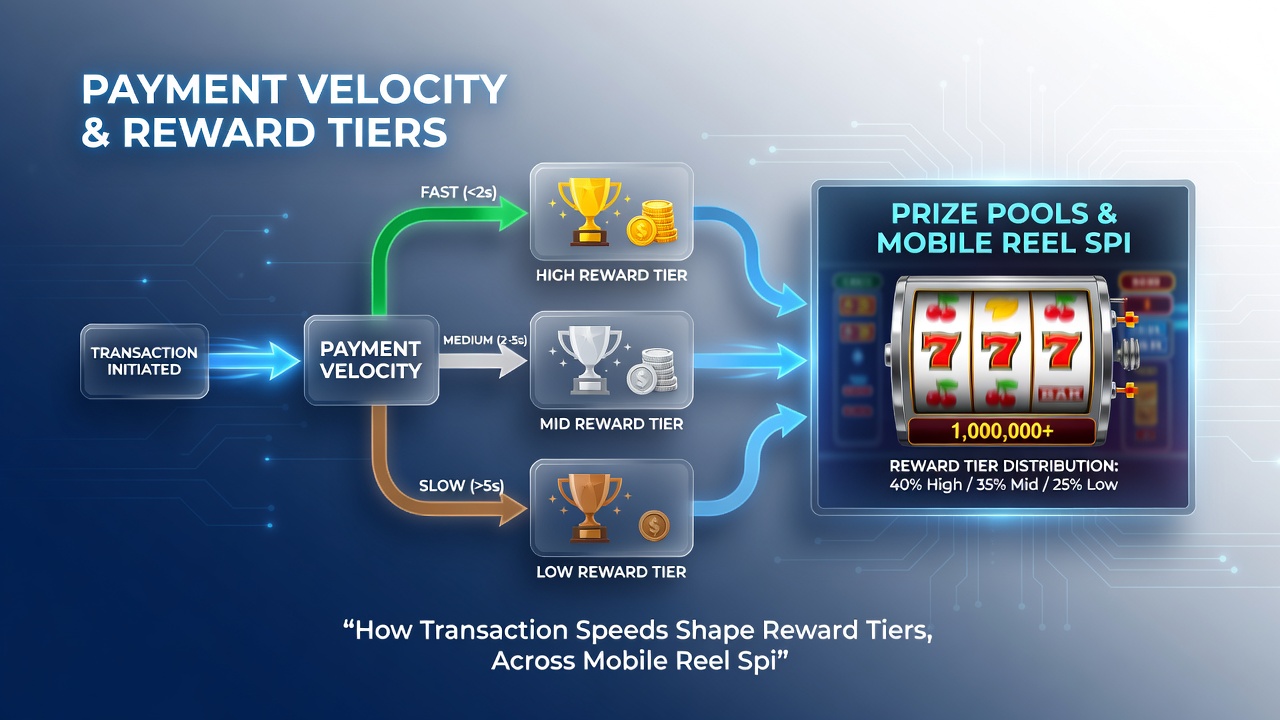
Athletic Markets and Cross-Platform Tiers
Sports wagering platforms integrate transaction speed data into reward tier calculations that span both pre-match and in-play betting, according to reports issued by the Nevada Gaming Control Board. Faster deposits allow bettors to lock in odds and simultaneously contribute to cumulative prize pools that determine eligibility for enhanced payout multipliers at each tier. Athletic markets therefore function as velocity-sensitive environments where delayed settlements can push users into lower reward brackets even when their wager volume remains constant.
Industry analyses from the European Gaming and Betting Association demonstrate that operators synchronizing payment velocity across mobile slots, dealer tables, and sports markets achieve more uniform tier progression rates. When a single transaction history feeds all three verticals, prize pools merge contributions from reel spins and live bets, creating hybrid reward tiers that adjust dynamically based on the speed at which funds move through the ecosystem.
Interconnected Reward Systems
Operators increasingly design unified ledgers that treat transaction velocity as a core variable when distributing prize pool allocations. This approach produces tier structures where mobile reel activity, dealer table results, and athletic market wagers each carry velocity-weighted coefficients that determine final reward eligibility. Data compiled through 2026 indicates that platforms maintaining average settlement times under two seconds report more balanced distribution across all three categories compared with slower networks.
Those who have examined cross-vertical data note that prize pool formulas now embed velocity thresholds as gating conditions, so players must demonstrate consistent transaction speeds before accessing the highest reward brackets regardless of game type. This creates measurable differences in tier advancement timelines between users on fast versus conventional payment rails.
Conclusion
Payment velocity continues to serve as a measurable factor that shapes how prize pools allocate across reward tiers in mobile reel spins, dealer tables, and athletic markets. Regulatory records and industry reports confirm that faster transaction cycles correlate with accelerated tier progression and more frequent prize pool refreshes, while slower processing maintains longer qualification periods and static distribution curves. As platforms refine these systems through August 2026, the relationship between settlement speed and reward tier access remains a central operational consideration across all three verticals.