Integrating Payment Solutions with Tiered Incentive Programs in Digital Casino and Wagering Platforms
Written by Henrik Schmid · Nov 10, 2026
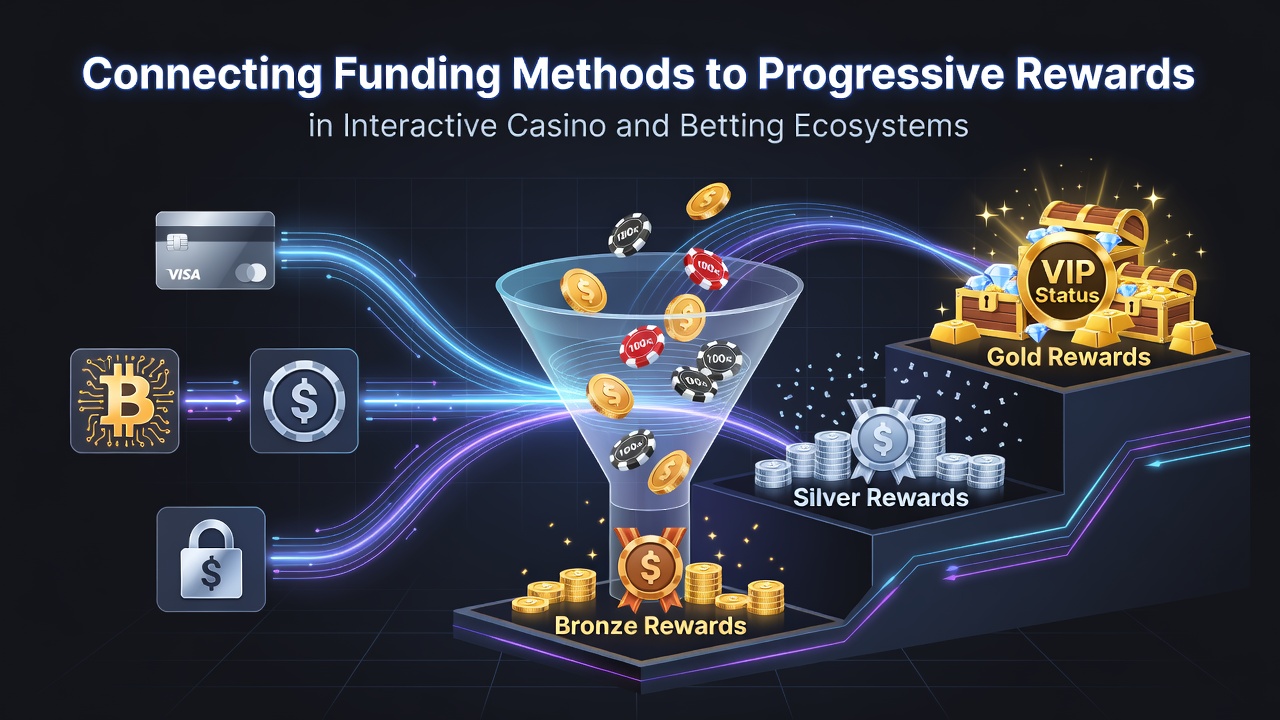
Integrating Payment Solutions with Tiered Incentive Programs in Digital Casino and Wagering Platforms
Payment gateways and loyalty architectures now operate as interconnected systems where deposit choices directly shape access to escalating benefits across interactive casino and betting environments. Operators link specific funding methods to reward accumulation rates, allowing users who employ certain digital wallets or bank transfers to unlock accelerated point multipliers and exclusive tier advancements. Data from industry analyses reveal that these integrations rely on real-time transaction tracking, which feeds directly into backend algorithms that calculate progressive rewards based on deposit frequency and volume.
Mechanics of Transaction-Reward Linkages
Funding methods serve as entry points that determine reward velocity in many platforms, with credit card deposits often tied to standard bonus accrual while cryptocurrency transfers connect to higher multiplier structures in select ecosystems. Researchers at academic institutions have documented how these connections function through API bridges that pull transaction metadata and map it onto user profiles, triggering automatic upgrades once thresholds are met. Observers note that seamless linkages reduce friction for participants who maintain consistent funding patterns, whereas fragmented systems create delays in reward processing.
Studies from North American regulatory bodies indicate that platforms in regulated markets such as those overseen by the Nevada Gaming Control Board have refined these connections to comply with transparency requirements, ensuring that reward eligibility criteria remain visible during the deposit sequence. The process typically involves tagging each transaction with metadata that includes payment type, amount, and timing, which then feeds into loyalty engines designed to escalate benefits progressively.
Progressive Structures Across Ecosystems
Tiered programs in interactive settings often escalate from entry-level access to premium status through cumulative deposit activity, with each level unlocking distinct advantages such as enhanced cashback percentages or priority event participation. Those who examine these systems find that certain funding options accelerate progression because platforms assign bonus coefficients based on transaction security profiles and processing speed. For instance, instant bank transfers frequently carry higher reward multipliers than slower methods, creating natural pathways toward elevated tiers.
One documented case involved a major European operator that adjusted its algorithms in early 2026 to prioritize mobile payment integrations, resulting in measurable shifts in user tier distributions by mid-year. Figures from industry reports show that participants utilizing integrated e-wallets reached mid-tier status 30 percent faster on average compared to those relying on traditional card methods. Such adjustments demonstrate how funding preferences become embedded within the reward architecture itself.
Technological Foundations and Data Flows
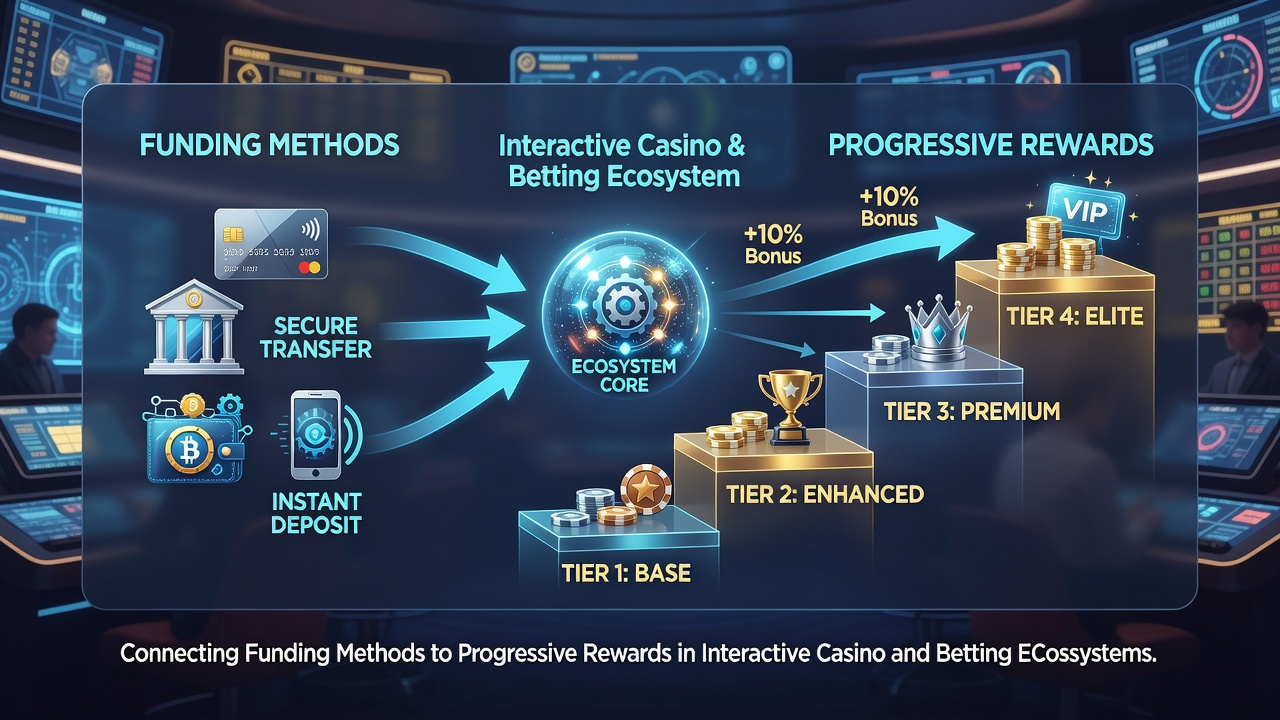
Backend architectures employ secure data pipelines that synchronize payment processors with loyalty databases in near real time, allowing reward credits to post immediately after transaction confirmation. Experts have observed that blockchain-based ledgers appear in select implementations to provide immutable records of both deposits and subsequent reward allocations, reducing disputes over eligibility. These technical setups also incorporate compliance checkpoints that verify user verification status before releasing progressive benefits.
What's interesting is the way predictive analytics now layer onto these connections, forecasting when a user might qualify for the next tier based on historical funding behavior and suggesting optimal payment methods to maintain momentum. Reports from Australian research centers highlight similar patterns where integrated systems improved retention metrics through personalized reward pathways tied directly to transaction history.
Regulatory Contexts and Cross-Border Variations
Regulatory frameworks in various jurisdictions shape how operators may connect funding methods to rewards, with emphasis on preventing opaque incentive structures. Canadian provincial authorities, including those managing gaming in Ontario, require clear disclosure of how deposit types influence reward calculations, ensuring participants understand the terms before committing funds. Similar requirements appear in reports issued by the Australian Communications and Media Authority, which monitors digital wagering platforms for equitable treatment across different payment channels.
By November 2026, updates to international standards are expected to emphasize standardized reporting on these linkages, drawing from collaborative efforts among multiple oversight bodies. Platforms operating across borders must therefore maintain flexible architectures that adapt to regional rules while preserving the core connection between payments and progressive benefits.
Conclusion
The integration of funding mechanisms with reward progression continues to define operational strategies in interactive casino and betting environments, supported by evolving technology and varied regulatory expectations. Data flows between payment processors and loyalty systems enable the progressive unlocking of benefits based on transaction patterns, creating structured pathways for user advancement. As platforms refine these connections through 2026 and beyond, the emphasis remains on transparent mapping of deposit activity to tiered outcomes across global markets.