Real-Time Athletic Data Streams Reshaping Casino Prize Mechanics and Game Selections
Written by Petra Schmitt · Sep 29, 2026

Real-Time Athletic Data Streams Reshaping Casino Prize Mechanics and Game Selections
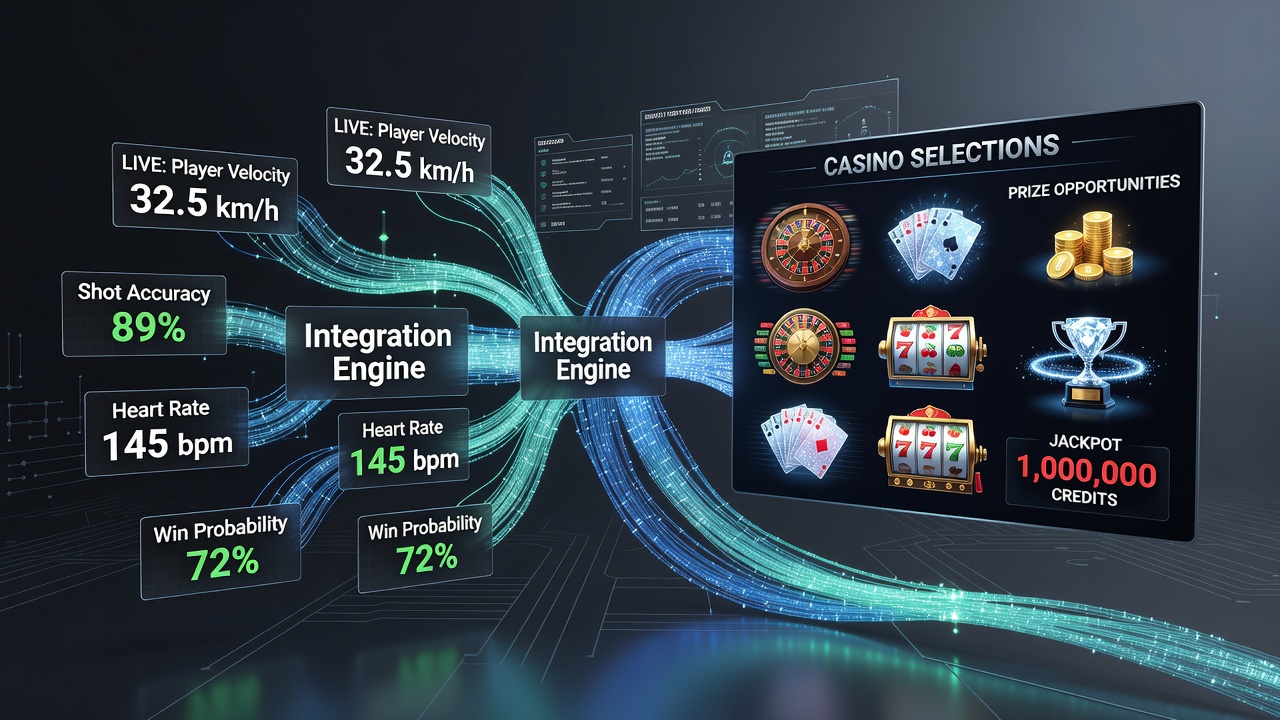
Live athletic performance data now flows directly into casino platforms through specialized integration layers that convert match statistics into personalized game recommendations and prize triggers. These connections rely on application programming interfaces that pull real-time metrics such as player speed, scoring rates, and possession percentages from sports feeds and route them into slot algorithms or live dealer interfaces. Observers note that the process begins with standardized data packets delivered every few seconds during events and ends with adjusted prize pools or bonus rounds that reflect the unfolding action.
Core Mechanisms Behind Metric-to-Game Linkages
Platform operators receive structured feeds containing variables like expected goals in football or serve percentages in tennis; these numbers enter decision engines that modify reel weights, trigger multipliers, or unlock themed bonus features. One integration method uses conditional logic where thresholds in sports data activate specific prize tiers, while another applies predictive models trained on historical matches to forecast likely outcomes and adjust casino selections accordingly. Data shows that such linkages have expanded since 2023 as providers standardized transmission protocols across multiple sports leagues.
Examples of Data-Driven Prize Adjustments
During a September 2026 international tournament window, several platforms adjusted jackpot seeding in real time when underdog teams exceeded projected scoring benchmarks, creating temporary prize spikes tied to live metrics. Similar patterns appear in table game side bets where point differentials from basketball games determine payout modifiers. Researchers from the University of Nevada's gaming analytics program documented how these adjustments occur without manual intervention once the initial rule sets are configured. The American Gaming Association reports that operators in regulated North American markets recorded measurable increases in session duration when sports-derived triggers activated during major events.
Another layer involves player segmentation, where historical betting patterns combine with incoming sports data to surface specific casino selections. Systems flag users who previously engaged with sports-themed slots and route them toward new prize opportunities when correlated athletic metrics hit predefined levels. This routing happens through backend queues that update every minute during live matches.
Regulatory and Technical Considerations Across Jurisdictions
European operators must align these data connections with remote gambling directives that require transparent randomization even when external feeds influence outcomes. In Australia, state-level oversight bodies examine whether sports metric triggers constitute inducements under existing advertising codes. Technical audits verify that the data pipelines maintain separation between the sports source and the random number generator core, preventing direct manipulation while still allowing thematic or multiplier overlays. Figures from industry compliance reviews indicate that approved systems undergo quarterly stress tests to confirm latency remains under two seconds from metric capture to prize display.
Platform documentation reveals that sports data providers supply both raw statistics and derived indicators such as momentum scores; casino engines then map these indicators to game parameters through configurable tables rather than hardcoded rules. This mapping approach lets operators swap leagues or events without rebuilding the entire integration stack.
Future Integration Patterns Emerging in 2026
Developments scheduled for late 2026 include expanded use of edge computing nodes that process sports streams closer to the event venue before forwarding condensed packets to casino servers. These nodes reduce bandwidth demands while preserving metric fidelity for prize calculations. Parallel work on cross-platform APIs aims to let a single sports feed influence both slot mechanics and live dealer side bets within the same session. Data from pilot programs in two European markets shows reduced latency and higher trigger accuracy when edge processing handles initial filtering.
Conclusion
The infrastructure connecting athletic metrics to casino selections continues to mature through standardized protocols, audited pipelines, and jurisdiction-specific compliance layers. Operators maintain separation between data sources and core randomization functions while using incoming statistics to shape prize timing and game recommendations. As transmission speeds and segmentation models advance, the same underlying streams support increasingly granular prize opportunities across multiple game types without altering the fundamental requirement for independent randomness verification.