Withdrawal Security Protocols: Shaping Boundaries in Portable Casino Environments
Written by Jordan Schulz · Aug 26, 2026

Withdrawal Security Protocols: Shaping Boundaries in Portable Casino Environments
Secure withdrawal protocols in portable casino applications establish structured processes that require identity verification, transaction reviews, and timed release mechanisms before funds leave player accounts. These systems integrate with account settings to enforce limits on frequency and amount, creating natural pauses that align with responsible play frameworks. Data from industry analyses indicates mobile platforms adopted enhanced verification layers throughout 2025, with further refinements scheduled for August 2026 across multiple jurisdictions.
Core Components of Modern Withdrawal Systems
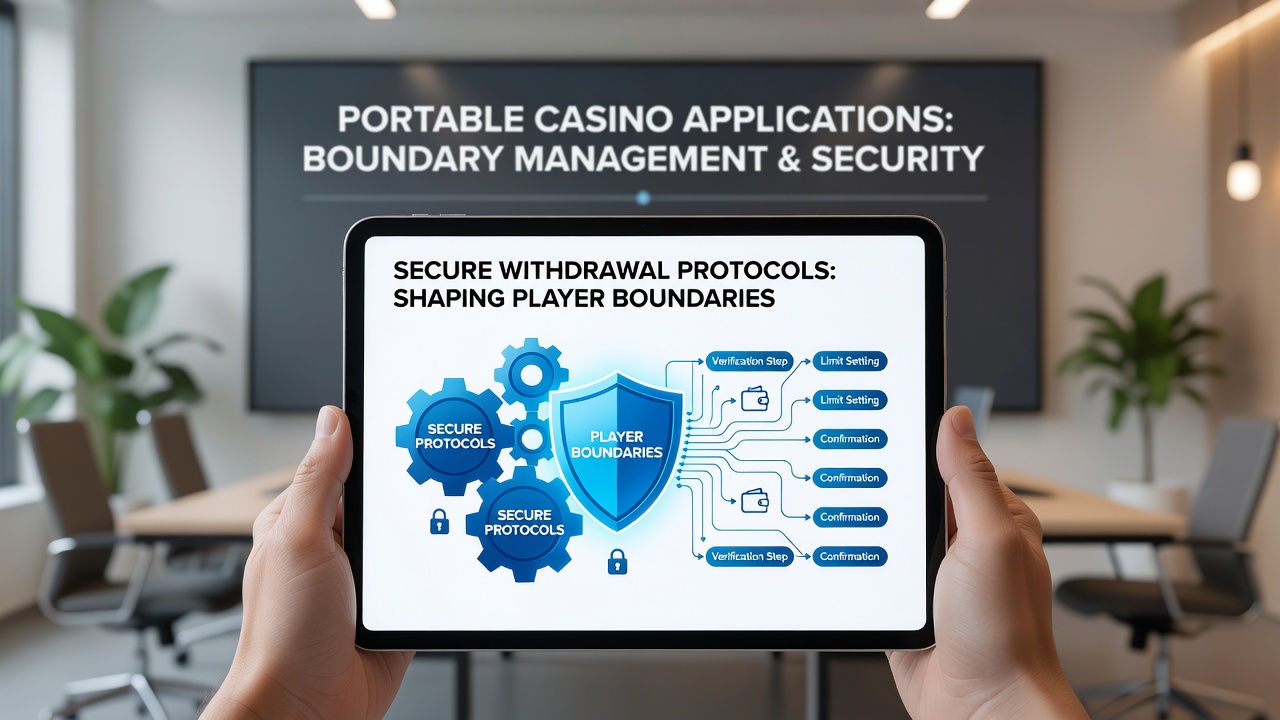
Portable applications process withdrawals through multi-factor authentication that combines device biometrics, one-time codes, and account history checks. Operators link these steps to pre-set spending boundaries, so attempts to exceed daily or weekly caps trigger automatic holds. Research from Canadian regulatory bodies shows such integrated checks reduced rapid successive withdrawals by measurable margins in regulated markets. Protocols also embed cooling-off intervals ranging from 24 to 72 hours, during which players receive notifications about pending transactions and options to cancel or adjust amounts.
Integration with Player Limit Tools
Withdrawal frameworks connect directly to deposit limits, loss thresholds, and session timers already active on the same account. When a player reaches a self-imposed boundary, the system blocks new deposits and routes any withdrawal request through an additional confirmation screen that restates current limits. Observers note this linkage prevents scenarios where users bypass restrictions by moving funds out and then redepositing elsewhere within the same app. Australian government reports highlight similar connections between payout controls and exclusion registers, resulting in fewer instances of players attempting to circumvent personal boundaries.
Technological Developments Supporting Security
Encryption standards now cover every stage of the withdrawal pipeline, from initial request to final bank transfer or digital wallet credit. Some platforms incorporate distributed ledger elements to create immutable records of each transaction step, allowing both players and auditors to trace activity without exposing personal details. In August 2026 several North American operators plan to roll out real-time risk scoring that evaluates withdrawal patterns against historical behavior, flagging unusual requests for manual review. These advancements build on existing payment infrastructure rather than replacing it, maintaining compatibility with common banking and e-wallet services.
Regulatory Approaches Across Regions
European authorities outside the United Kingdom have issued guidelines requiring transparent disclosure of withdrawal timelines and fee structures within app interfaces. Canadian provincial regulators emphasize mandatory testing of limit-enforcement features before new titles receive approval for mobile distribution. Reports from the American Gaming Association document how state-level frameworks in the United States increasingly reference withdrawal controls as part of broader consumer protection standards. Academic studies from institutions tracking gambling behavior further indicate that clear, enforced payout rules correlate with lower rates of reported financial distress among regular mobile users.
Practical Effects on User Behavior
Players encounter visible countdown timers and summary screens before any withdrawal completes, which encourages review of recent activity. Case examples from regulated markets illustrate individuals who set monthly loss limits and later receive automated prompts confirming those limits remain active during payout requests. The process discourages impulsive cash-outs that might otherwise feed back into continued play, because funds remain inaccessible until the protocol cycle finishes. Industry data collected through 2025 demonstrates consistent application of these steps across leading mobile platforms, regardless of game type or bonus structure.
Future Adjustments Expected in 2026
Updates planned for August 2026 focus on cross-platform synchronization so that limits established on one device apply immediately across all linked sessions. Additional features under discussion include optional third-party verification services that provide independent confirmation of player identity without storing extra data on casino servers. These changes aim to maintain security while reducing friction for legitimate transactions, yet they preserve the boundary-setting function that has become standard in portable applications. Ongoing monitoring by oversight bodies will track whether the refinements produce measurable shifts in withdrawal frequency and player adherence to self-imposed caps.
Conclusion
Secure withdrawal protocols function as operational guardrails within mobile casino environments by combining verification requirements, timed releases, and direct ties to personal limits. Evidence from multiple regulatory regions and technical reports confirms these mechanisms operate consistently across devices and game categories. As platforms prepare for August 2026 enhancements, the emphasis remains on maintaining verifiable processes that support structured access to funds while respecting established player boundaries.